Buiding Church Leaders Home
Search By:
Advanced Search
Church RoleTopicFree Samples
Train LeadersAssess My ChurchConnect With LeadersRespond to CrisisMentor & DiscipleMultimediaStore
Home > Store > Training Themes > Training Pack > Individual Handout
Training Themes
6 Ways to Care

Varied strategies for a church to help people in need.
See "Creating Community" Training Pack
Store Code: TT12-I
Format(s): Microsoft Word
Type: How-To Article
Price: $0.00

Add to Cart

Join Now!

Topics:Authenticity, Christian life, Community, Fellowship, Growth, Health, Relationships, Small groups
Filters:Church staff, Counseling, Discipleship, Elder, Outreach, Pastor, Small groups, Spiritual director
Purpose:Fellowship
References:Luke 10:25-37, Ephesians 4:11-13
Date Added:August 01, 2007
share this pageshare this page


Every church wants to be known as a church that cares. And most congregations realize the key to effectiveness is having lay people respond to a wide variety of members' needs. But how? Which structures work best?

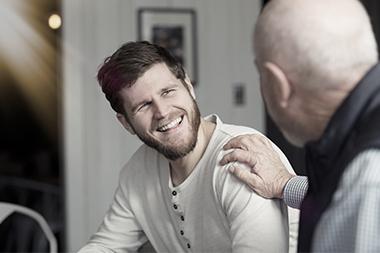
1. Friendship Strategy: When Nancy and her family moved to our town, her husband, John, wasn't a Christian. His first involvement with our church was playing on our softball team. He made several friends, and six months later, when he was injured in an auto accident, the first people to visit the hospital were his softball teammates. Any program that develops relationships increases the availability of care.

2. Shepherding Strategy: The congregation is divided into care groups (often on a geographical basis), with each group assigned to one official representative of the church, usually a deacon or deaconess. The representatives contact the people on their care lists to inquire about needs and to offer help.

3. Counseling Strategy: A counselor may be lay or professional, but the care provider has a well-defined role. The agenda for the relationship is therapeutic. Care is provided at scheduled times, and people needing care take the initiative to make an appointment. Counseling has a place in any comprehensive care plan.

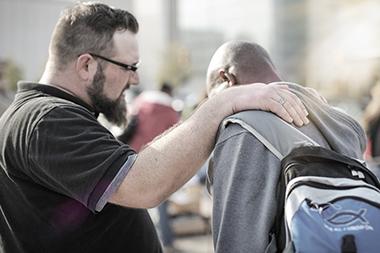
4. Body Life Strategy: Unlike other strategies, which provide care in private, this one offers care in public, community settings. Some churches regularly set aside a worship service (or portion of the service) for sharing needs. People may come forward to receive personal ministry; others lay on hands and pray.

5. Support Group Strategy: Alcoholics, victims of sexual abuse, people with fragile sexual identities, people with cancer, people with physical disabilities—the list of people who could respond to support group ministry is long. Because care is offered by people who share their struggle, many see support groups as safe places to receive care.

6. Team Strategy: A team responds to a specific need. One team takes care of shut-ins. Another responds to families experiencing medical crises. Other teams focus on new members, people at risk of leaving the church, and other recognizable pools of people.

To Discuss
  1. Which strategies have we tried? Which have worked best for us?
  2. Which support groups seem most needed?
  3. How would you suggest we improve our approaches to caring for people?
Average Rating: Not yet rated


Submit Your Rating and Review:

Choose star rating:

Name:
Comments: 1000 character limit 
 

What We Value
Does your congregation know what your church values?

Take Your Career from Drag to Joy
Moving beyond mundane.


Six Types of Small Groups to Help Churches
An excerpt from Leadership Handbook of Outreach and Care.

My Church's Inferiority Complex
How one congregation traded the "poor little us" mindset for new confidence.

Members

To view this content in full or to download the files, please login:

E-mail:
Password:
Non-Members

Please click here to find out more about starting a membership. As a member, you will be able to have access to all of the content on BuildingChurchLeaders.com.

Join now …