A tough question can come at any time and can take an unexpected angle. This is the story of how one pastor dealt with such a question and responded with honesty while avoiding the temptation of the pat, easy answer.
Crash Course in Dealing With Evil
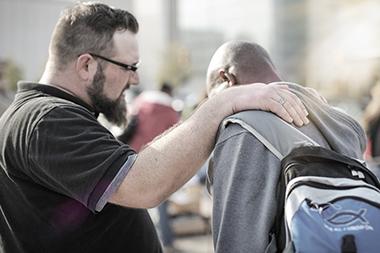
We sat in a pew, and she began to tremble, but she came to the point: "I usually don't come to church. I have a hard time with God." She paused to catch her breath. "My father and my uncle molested me all through my childhood until I moved out and joined the army. How could God allow that?" She said it that quickly and that bluntly. At which point she crumpled and began to cry. Soon she looked up at me. She waited for my answer. I gave her the only answer I know: "I don't know." "What do you mean, 'you don't know?' " she retorted with an edge of anger. "I know it doesn't sound like much of an answer," I said, "but the reason I say that I don't know why things like that happen is that I really don't know. I don't know why God does what he does, or why he allows what he allows, or why bad things happen at all. God doesn't tell me. I really don't know. "I don't have a lot of answers for this kind of stuff, but I can tell you thisI believe you. I believe every word you've told me. I know that God honors your honesty. And who knows, maybe, with time, love, and prayer, you can receive some healing for all this."
What You Need To Know
Theological honesty is a form of compassion with power to soothe. As I spoke to her, I thought about how much I really do believe in God's providence in our lives. But just because I believe God is sovereign doesn't mean I have the slightest idea why things happen, or how or why he allows things to happen. To respond blithely that God didn't have anything to do with her situation, that somehow stuff like this just happens by chance or is caused by the devil and that God doesn't have any say in the matter at all, would have failed her grievously. It would have been tantamount to saying that God does not exist. The problem of evil is incomprehensible, but it is not insoluble; compassion dissolves it. Reflect1. How can this case study inform the way we approach people who have deep problems with the way that they perceive God? 2. List several biblical examples that exemplify faith and compassion in time hardship. 3. What are some ways that our church can reach out to victims of abuse to offer them healing and grace?
We feel how Christ values us through the women he encountered. The 4 Religious Types How personality influences our perception of God. How to teach in the ways people learn best.
| ||||||||||||||||||||||||||