Buiding Church Leaders Home
Search By:
Advanced Search
Church RoleTopicFree Samples
Home > Articles > Responding to Wars and Disasters
Responding to Wars and Disasters
An Interview with Kevin J. Turner.


Topics:Conflict, Leadership, Outreach, Prayer, Short-term missions, Strategy
Filters:Evangelism, Missionary, Missions, Outreach, Pastor, Volunteer
References:None
Date Added:March 05, 2006

Sign up for our free Building Church Leaders newsletter (All fields required):


Encountering Poverty
Reaching the people behind the poverty

Spiritual Care
What it means to truly develop Christ-following disciples.


Stretching the Dollars (free sample)
How churches can cut costs on VBS.

How to Handle Criticism (free sample)
7 biblical and practical steps.

 1 of 4

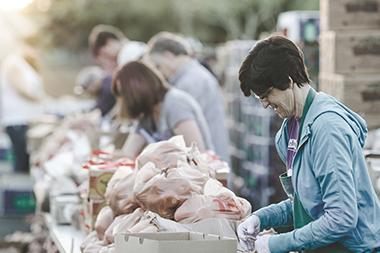
Earthquakes in Haiti, Chili, and China. Floods in Tennessee. War in Sudan. As the world has suffered from a brutal string of disasters in the past year, U. S. churches have recognized the need to send humanitarian aid in the name of Christ. Yet most congregations are not equipped to provide a meaningful response to suffering on a massive scale. How can American Christians get involved in bringing hope to victims of disasters?

Kevin J. Turner is president of Strategic World Impact (SWI), a missions agency that works exclusively in disaster areas, war zones, and places where Christians are persecuted. He's personally spent 20 years ministering in some of the most ravaged—and dangerous—places on earth, and he has the scars to prove it. His organization provides direct relief aid like food, water, and medical assistance. SWI workers also proclaim the gospel through interpersonal relationships and by showing the Jesus film.

We asked Kevin to help us understand ways that U. S. churches can respond to calamities with wisdom and compassion.

Tell us a little about your experience working in war zones and disaster areas?

I was born again in 1989—radically set free. I started preaching the gospel on the streets and sharing in my workplace. Then one year later, I was on a plane headed to Honduras and Nicaragua. This was at the end of the Sandinista and Contra fallout, so I was really stepping into a war zone. But once I experienced that type of ministry, I knew it was the only life for me.

After my trip, I went away with the Lord; I fasted and prayed. God very clearly gave me a vision for assisting the church in strategically responding (to humanitarian disasters) for a strategic harvest.

My wife and I have been married for almost 22 years, and we have three children. They've all served overseas with us—working in refugee camps and war zones. As a family, we've been through quite a lot. I have seen several people killed by my side. I once spent ten days in the mountains running for my life. Three young men from Yemen came to kill our family. We've had a lot of very crazy experiences, but there's nothing I would give back.

My children have seen firsthand that there are greater thing to live for than the mall or the next movie. I thank God for those opportunities and the things our family has suffered for the sake of the gospel.

Clearly, relief work can be a dangerous occupation! Yet you believe it's extremely important for the Church to respond to these catastrophes. Why?

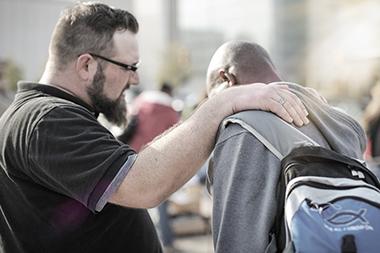
Wars and natural disasters can actually be stepping stones for Christians to be the hands and feet of Christ. This world isn't looking for a better sermon on love: They're looking for a better demonstration of it. When we see people in need, Christians get to come as ambassadors of hope. We say to them, "We're helping you because we are following Christ." And afterwards, if people inquire further, that's our platform to share the hope within us.


Average User Rating: Not rated

Submit Your Rating and Review *

Low

High

1000 character limit

* Comments may be edited for tone and clarity.


Login