Buiding Church Leaders Home
Search By:
Advanced Search
Church RoleTopicFree Samples
Home > Articles > Communication As a Team
Communication As a Team
Once you've recruited volunteers and trained them for each of their positions, how do you form and maintain a strong bond in a group of very diverse people?


Topics:Accountability, Authenticity, Children, Communication, Family, Leadership, Volunteer care, Volunteers
Filters:Children's ministry, Children's pastor, Christian education, Family ministry, Nursery, Sunday school, Volunteer
References:None
Date Added:March 08, 2005

Sign up for our free Building Church Leaders newsletter (All fields required):


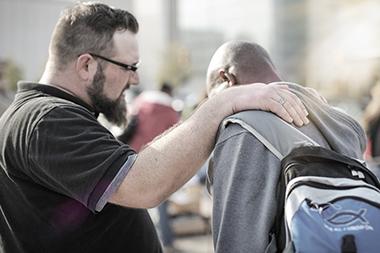
Leading a Group in Prayer
Practical insights for anyone who ever guides the prayer time in a corporate setting, from small groups to committees to large prayer gatherings.

Top Articles of 2008 Discussion Pack
Hot topics for reflection and conversation


Secrets for Managing Your Time Wisely
Five questions for pastors to ask.

The Art of Shooting Short-Term
Using video to make the most of your mission trips.

 1 of 1

Once you've recruited volunteers and trained them for each of their positions, your challenge is to form and maintain a strong bond in a group of very diverse people. How? Simple—communicate!

Good communication is an essential component of an effective team. Communicating clearly with the volunteers in your ministry will help things flow smoothly from weekend to weekend and limit the chances for confusion and frustration among team members. Here are some tips to help promote communication in your ministry:

1. Hold a huddle meeting for your volunteers each week. This huddle serves as a way to build community with your team of volunteers.

  • Make this a fifteen-minute huddle just before or after each service.

  • Provide childcare for the volunteers' children during the meeting.

  • Make it fun! Take turns bringing in snacks, give prizes occasionally, etc.

  • Go over any information pertinent to the day's lesson. Provide any tips or special instructions for facilitating any part of the lesson. Share any news pertaining to the kids that will be helpful for volunteers to know (for example, Susie's grandmother died yesterday).

  • Vision cast! Share a story or two and remind the volunteers that what they're doing matters.

  • Give a quick preview of the upcoming week, mentioning any pertinent business items.

  • Have a time of prayer. Pray for each other, for the kids, and for the ministry as a whole.

  • Periodically invite your pastor(s) to come and be a part of this huddle.

2. Provide a "communication center" within a room or central location:

  • Give last minute info and/or daily announcements on a white board or on sheets of paper located in a visible spot.

  • Set up a clear process for communicating about weeks people will be gone and for getting people to fill in for each other.

3. Develop a process for everyone to keep in touch throughout the week. How will information be communicated to volunteers during the week? By phone or e-mail? Consider utilizing an intranet system (such as intranets.com) to post pertinent information throughout the week. Another option is to mail a cassette tape to all volunteers that they can listen to in the car or at home.

4. Periodically host vision-casting and encouragement events for your volunteers. Plan a brunch that includes great food, the sharing of stories, and important training for those involved in your ministry. Do your best to make your volunteers feel honored and appreciated.

Being part of a team in children's ministry will be a huge change for many, if not most, of your volunteers. They're going to need help remembering that it doesn't need to be a one-teacher-does-it-all effort, and that each of you is there to play a part and contribute to the ministry as a whole.

 1 of 1
share this pageshare this page


Average User Rating: Not rated

Submit Your Rating and Review *

Low

High

1000 character limit

* Comments may be edited for tone and clarity.


Login