Buiding Church Leaders Home
Search By:
Advanced Search
Church RoleTopicFree Samples
Train LeadersAssess My ChurchConnect With LeadersRespond to CrisisMentor & DiscipleMultimediaStore
Home > Articles > Why Pastors Must Be Shepherds
Why Pastors Must Be Shepherds
Shepherds endear themselves to the flock. It's a wonderful style of ministry.


Topics:Counseling, Leadership, Mentoring, Pastors, Relationships, Shepherd, Shepherding
Filters:Discipleship, Hospitality
Purpose:None
References:John 10, John 10:4-15, John 10:11
Date Added:July 12, 2007

Sign up for our free Building Church Leaders newsletter:


Average Rating: 


Posted: November 13, 2008
fynn isaac yaw  (Guest)
I am interested in learning more about shepherding as a pastor and leader of the Methodist Church Ghana


Posted: April 21, 2009
Pastor Linda Butler  (Guest)
I believe every pastor should be like a loving, nurturing parent.


Posted: May 02, 2008
Monique  (Guest)
We need more Pastors with this kind of character. Particularly in the Baptist church. They are in trouble for real....


Submit Your Rating and Review:

Choose star rating:

Name:
Comments: 1000 character limit 


Tools for Evaluating Your Small Group Ministry
Are your small groups the best they can be?

Church Board Member


Is Your Church Reaching Adults?
Educational ministries are not just for kids; they’re for adults too.

How Do We Measure a Ministry
Finding the real bottom line in ministry.

 1 of 2

I began pastoral ministry in 1963. I was 23, fresh out of seminary, and assigned to a church on the wrong side of the street in a Southern California community. I was given practically no chance of pulling my little charge out of the doldrums. But I had learned from my heritage how important it was to love people.

So I did.

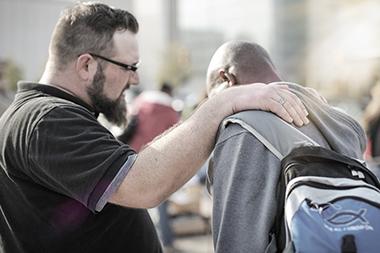
I called in their homes, paid attention to their children, visited the sick in hospitals and nursing homes, prayed for the downtrodden and lonely. I made myself available and told them publicly that next to my family they were the most wonderful people in the world.

What happened next had little to do with my ability as a speaker or administrator but with my role as a servant-shepherd. The church grew. The folks began to believe in themselves. Because they believed in themselves, they cared for one another. Word got out that ours was a church where love was genuine. People came to see if that were true, found it so, and stayed.

That was nearly 40 years ago. I went on to pastor three more churches before becoming a "pastor to pastors" at Focus on the Family, but my style never changed.

My colleagues would often poke fun of me. I still remember one of the most prominent pastors in our country laughing at my servant-shepherd style in front of a group of clergy. His jab hurt a bit then, and to be honest, it still does. But I would not change my way of leading. The most effective pastors minister from the marketplace up—not the pulpit down.

Call of Character

A growing number of pastors have modeled their style after the megachurch pastors. They think, If it is good enough for them to be a CEO, why can't I?

Yet I will almost guarantee that as these superstars were setting their original course, they too were servant-shepherd pastors. In their quieter moments, I suspect many wish for the simpler days when they could spend more time where their people live.

I have been told there are approximately 100,000 churches in North America with 50 people or fewer in a given service and that the average weekend attendance in our country is less than 100. I've also heard that eight out of every ten clergy with seminary training will never pastor a church of more than 200.

If that is true, then the need for CEOs is not so critical.

I propose that one of the most important aspects of being a pastor is fulfilling the role of servant-shepherd. Next to being faithful to God and attentive to spouse and family is the pastor's responsibility as shepherd—one who knows the flock, listens to the flock, watches out for the flock, cares for the flock, corrects the flock, and spends a great portion of time with the flock. Shepherds endear themselves to the flock. It's a wonderful style of ministry.

What is urgent is for our congregation and community to know that the shepherd of the flock is truly that—approachable, responsive, gentle, and genuinely filled with compassion. Those characteristics are more significant for the leader of the flock than academic degrees, church growth numbers, or status achieved.