Buiding Church Leaders Home
Search By:
Advanced Search
Church RoleTopicFree Samples
Train LeadersAssess My ChurchConnect With LeadersRespond to CrisisMentor & DiscipleMultimediaStore
Home > Articles > The Pastor's Relationship with the Board
The Pastor's Relationship with the Board
What a pastor can do to grow the relationship.


Topics:Church board, Discipleship, Leadership, Management, Meetings, Mentoring, Relationships
Filters:Church board, Deacon, Discipleship, Elder, Pastor
Purpose:Discipleship
References:1 Timothy 3:2, Titus 1:7
Date Added:July 12, 2007

Sign up for our free Building Church Leaders newsletter:


Average Rating: Not yet rated


Submit Your Rating and Review:

Choose star rating:

Name:
Comments: 1000 character limit 


How to Grow a Church
Create a church climate that leads to physical and spiritual growth.

Develop a Volunteer Training Program
Discover key principles for training—including what's really needed, what's really feasible, and tips on how to do training well.


Building Trust Through Lasting Relationships
After the first impression, create a lasting impression of love.

 1 of 2

Pastors and board members often clash because they approach situations from different perspectives. Pastors typically possess a theological or biblical perspective, a problem-solving method that they probably picked up in seminary. Board members tend to solve problems more pragmatically, using a tried-and-true method they learned in the business world. It's the idealism/realism rub.

In-depth discipling

People with different perspectives often have trouble seeing the other's point of view. Perhaps Jesus' periodic struggles with his board of 12 were intensified because of this. Yet he described to them a different perspective—that of the kingdom of God.

Jesus committed himself deeply to those men. Robert Coleman, in The Master Plan of Evangelism, sums up the idea well: "Frequently he would take them with him in a retreat to some mountainous area of the country. … He actually spent more time with his disciples than with everybody else in the world put together."

Two problems make us question the possibility of in-depth discipling. First, it's difficult to be candid, available, and confidential. Psychological studies reveal that we ministers tend to be more studious and introverted than the average leader, and we may attract board members with similar personality bents. A roomful of introverts doesn't make for an easy, breezy, let's-become-better-friends kind of group. Second, the task is risky. Really getting to know each other means phony images must crumble and distance-making formalities must be set aside. We need to encourage a first-name basis and an unguarded, give-and-take style.

Practical suggestions

How can pastors and boards cultivate better interpersonal relationships? Here are four suggestions:

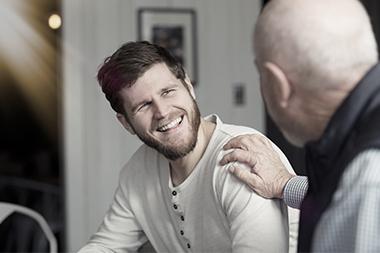
  • Schedule time together between official meetings. This can be one-on-one or with a few. It can be in the pastor's or a member's home for an evening (with spouses), or over lunch. Sometimes the gathering may simply be for social purposes. You will probably have to plan these times in advance, or they will not happen.
  • Get away for overnight retreats. One of the best decisions we made at one of my churches was to have pastor/elder retreats at least twice a year. These were great times for getting beneath the surface of one another's lives as well as evaluating our ministry. We ate together, enjoyed some needed laughter, and had extended times of prayer with each other. Sharing rooms together overnight also helped us break down relational barriers. We always emerged closer and in better harmony with one another.

    Leaders should start doing this perhaps on a yearly basis, shortly after the annual election of new board members. It's good to make sure every member can attend.
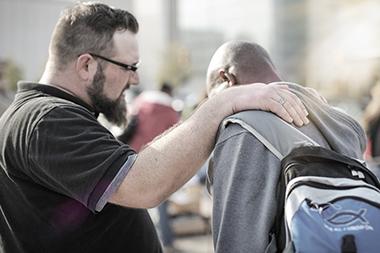
  • Translate attitudes into actions. You love your spouse, but it will mean a lot to him or her for you to say so. You know you enjoy your kids, but a warm embrace communicates your attitude them. Pastors and board members need to tell each other how grateful they are for their time, energy, and commitment. Written notes are appreciated. A sincere, firm handshake and an eyeball-to-eyeball look never fail to encourage. A phone call is another way of translating our attitudes into action.