Buiding Church Leaders Home
Search By:
Advanced Search
Church RoleTopicFree Samples
Train LeadersAssess My ChurchConnect With LeadersRespond to CrisisMentor & DiscipleMultimediaStore
Home > Articles > 10 Rules for Respect
10 Rules for Respect
One way to build trust.


Topics:Board, Communication, Conflict, Conflict resolution, Confrontation, Difficult people, Division, Leadership, Mentoring, Spiritual leadership
Filters:Church board, Church staff, Discipleship, Elder, Pastor, Pastoral care, Preaching, Small groups
Purpose:Discipleship
References:1 Timothy 5:17-20
Date Added:July 11, 2007

Sign up for our free Building Church Leaders newsletter:


Average Rating: 


Posted: July 10, 2008
Glenda  (Guest)
I was taught about triangulation some years back, and those principles make all the difference in how we communicate among ourselves. Thanks for reminding me again!


Posted: July 10, 2008
jonas Kouassi-Zessia Kouassi-Zessia  (Registered User)
very good material


Posted: July 10, 2008
Jay Roberson  (Guest)
Great information for me, and to share with my congregation. I'll probably share it in a newsletter and suggest they adapt it for their own relationships as well as with their Pastor(s).


Submit Your Rating and Review:

Choose star rating:

Name:
Comments: 1000 character limit 


[ no related training packs ]


[ no related articles ]

When I came to this church five years ago, many of my board members had grandchildren older than I was. Most of the rest had children my age. At age 23, I was their pastor. That was intimidating.

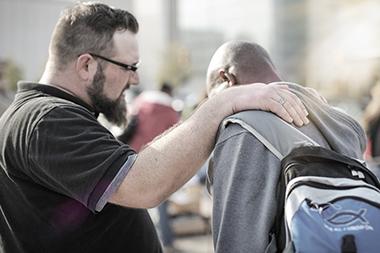
I was told by a mentor that I would have to have some rules of the road for communicating with my congregation. How would I get people so much older than I to talk to me rather than among themselves?

The list I drew up has evolved into ten principles that have transformed the way our church communicates. They now form a covenant signed each year by all the leaders, including me.

  • If you have a problem with me, come to me (privately).

  • If I have a problem with you, I'll come to you (privately).

  • If someone has a problem with me and comes to you, send them to me. (I'll do the same for you.)

  • If someone consistently will not come to me, say, "Let's go to the pastor together. I am sure he will see us about this." (I will do the same for you.)

  • Be careful how you interpret me—I'd rather do that. On matters that are unclear, do not feel pressured to interpret my feelings or thoughts. It is easy to misinterpret intentions.

  • I will be careful how I interpret you.

  • If it's confidential, don't tell. (This especially applies to board meetings.) If you or anyone comes to me in confidence, I won't tell unless (a) the person is going to harm himself/herself, (b) the person is going to physically harm someone else, (c) a child has been physically or sexually abused. I expect the same from you.

  • I do not read unsigned letters or notes.

  • I do not manipulate; I will not be manipulated; do not let others manipulate you. Do not let others try to manipulate me through you. I will not preach "at" you on Sunday mornings. I will leave conviction to the Holy Spirit (he does it better anyway).

  • When in doubt, just say it. The only dumb questions are those that don't get asked. We are a family here and we care about each other, so if you have a concern, pray, and then (if led) speak up. If I can answer it without misrepresenting something or breaking a confidence, I will.

While they have not eliminated every problem, the principles have provided a strong foundation for loving, Christlike communication.

Recently two members asked a longtime leader to "tell the pastor" about some idea that was not working. At first, this leader agreed to speak with me. Then, she called the two members back and said, "I've thought about what you asked me to do. I know that the pastor would appreciate it if you told him yourself. He always wants to hear what church members think. If he does not respond, then call me and you and I will go together."

That afternoon, the members sat with me in my office, and we worked through their problem. I did not know about their request of the person who sent them to me.

"I'm so glad you came to me personally," I closed our conversation. "Around here, all of our leaders believe in open communication, even about difficult matters."

Later, when I learned the rest of the story, I knew our adherence to the road rules had given that leader an opportunity to communicate her confidence in me. And I was allowed to cement two other relationships that might have presented roadblocks later on.

Charles W. Christian is minister at
Canby Chapel
Church of the Nazarene
2323 N.E. Territorial
Canby OR 97013